The 5-Minute Rule for Regenerative Medicine For Multiple Sclerosis
Table of ContentsRegenerative Medicine For Multiple Sclerosis Things To Know Before You BuyThe 6-Second Trick For Regenerative Medicine For Multiple SclerosisFacts About Regenerative Medicine For Multiple Sclerosis RevealedHow Regenerative Medicine For Multiple Sclerosis can Save You Time, Stress, and Money.How Regenerative Medicine For Multiple Sclerosis can Save You Time, Stress, and Money.Regenerative Medicine For Multiple Sclerosis - The FactsThe Best Strategy To Use For Regenerative Medicine For Multiple Sclerosis
The mesenchymal stem cells hair transplanted during stem cell treatment can separate and mature to develop new cells that can replace the harmed cells of the worried tissue. This may bring back neurological features in patients with this condition. These benefits of stem cell treatment are more sustained by the ability of MSCs to advertise recovery.Individuals with numerous sclerosis are generally treated with mesenchymal stem cells. These are multipotent stem cells that have the capability to distinguish and develop to create a variety of cell kinds in the body. As soon as transplanted, these stem cells can develop to create healthy nerve cells therefore supporting the regeneration of the broken tissues of the nerve system.
Once hair transplanted, the stem cells move to areas of inflammation or damages within the central nervous system (CNS). They are normally attracted to the sites of injury where the immune system is assaulting the myelin sheath, the safety covering of nerve fibers. The stem cells work by advertising the repair service and regrowth of harmed myelin, possibly restoring function to influenced afferent neuron.
Facts About Regenerative Medicine For Multiple Sclerosis Revealed
Stem Cell Research on MS The National Numerous Sclerosis Society, along with other organizations, is proactively moneying and supporting study into mesenchymal stem cell therapy for numerous sclerosis to discover their possible and improve treatment methods. The goal is to create more secure and more effective means to make use of stem cells in treating MS.
Not known Details About Regenerative Medicine For Multiple Sclerosis
Here are reviews from patients of the Swiss Medica clinic. The patient traveled from Romania seeking therapy for MS after listening to positive feedback about stem cell treatment for the disease.
Get a cost-free online appointment to find out how stem cells will work for your situation, and what are the duration and cost of the treatment. Uccelli, A., Laroni, A., Brundin, L., Clanet, M., Fernandez, O., Nabavi, S. M. Regenerative Medicine for Multiple Sclerosis., Muraro, P. A., Oliveri, R. S., Radue, E. W., Sellner, J., Soelberg Sorensen, P., Sormani, M. P., Wuerfel, J. T., Battaglia, M
Stem cells are cells in the body that can mature into grow right into that serve a specific functionDetails There are 2 primary types of stem cells: embryonic stem cells and adult stem cells.
are located in some adult tissues and body organs including the bone marrow, skin, blood, and brain. Grown-up stem cells are not as flexible as embryonic stem cells and are consequently more restricted in regards to the types of cells they grow right into. The one-of-a-kind properties of stem cells give assurance for brand-new treatments that can slow/halt MS condition task and fixing tissue damage in the central worried system.
How Regenerative Medicine For Multiple Sclerosis can Save You Time, Stress, and Money.
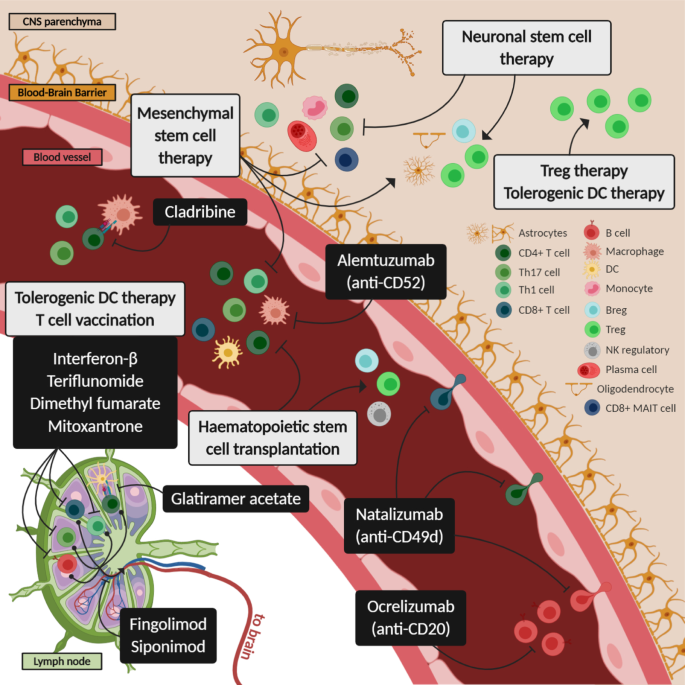
The procedure involves gathering stem cells from an individual's own (autologous) bone marrow. The individual is after that treated with radiation treatment to diminish the immune system and stem cells are reintroduced into the body where they grow into brand-new, healthy immune cells - Regenerative Medicine for Multiple Sclerosis. Stem cells can be injected right into the body in different ways

In 2000, the MS Society of Canada and MS Scientific Research study Structure moneyed a scientific trial including HSC transplants, led by Drs. Mark Freedman and Harry Atkins from the Ottawa Healthcare Facility Research Institute/University of Ottawa. The aHSC therapy offered in Canada is a treatment that go to my site uses high-dose chemotherapy, likewise called conditioning.
Excitement About Regenerative Medicine For Multiple Sclerosis
Neural stem cells (NSC) are found in the mind and can grow right into numerous kinds of mind cells consisting of neurons, oligodendrocytes, and astrocytes. NSCs might offer to fix or protect the mind and regulate the immune system. Early clinical trials in non-human primates showed that treatment with NSCs profited the development of MS-like illness in animal models.
The outcomes from these security studies declare for future stem cell and regenerative medicine therapies in MS. Future clinical tests (stage 2 and 3) with larger numbers of individuals and controls are required to examine the efficacy of this treatment for MS. As demonstrated by the examples above, there is a vast variety of study happening that will give extra solutions about making use of stem cells to deal with MS.
Stem cell therapy is considered risk-free, however, like any type of her latest blog clinical procedure, it brings some risks, such as momentary swelling or pain at the injection site. However, significant negative effects are rare when executed by qualified specialists.
How Regenerative Medicine For Multiple Sclerosis can Save You Time, Stress, and Money.
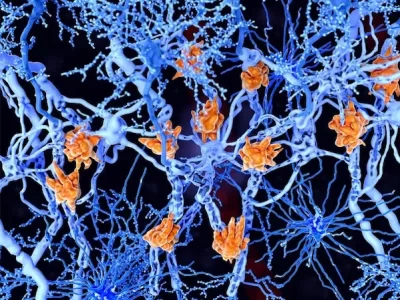
Several sclerosis (MS) is a chronic illness of the central nerve system that impacts the brain and spine. It is characterized by the destruction of myelin, a substance that covers nerve fibers, causing interruptions in interaction in between the mind and the rest of the body. Symptoms can vary widely and include muscular tissue weakness, vision issues, discrepancy, and fatigue.
Numerous sclerosis is identified by the body immune system incorrectly assaulting the protective sheath (myelin) that covers nerve fibers, causing interaction issues in between the mind and the remainder of the body. The illness can result in the deterioration or irreversible damage of nerves. Signs differ commonly among clients and can include tiredness, flexibility issues, pain, and cognitive changes.